
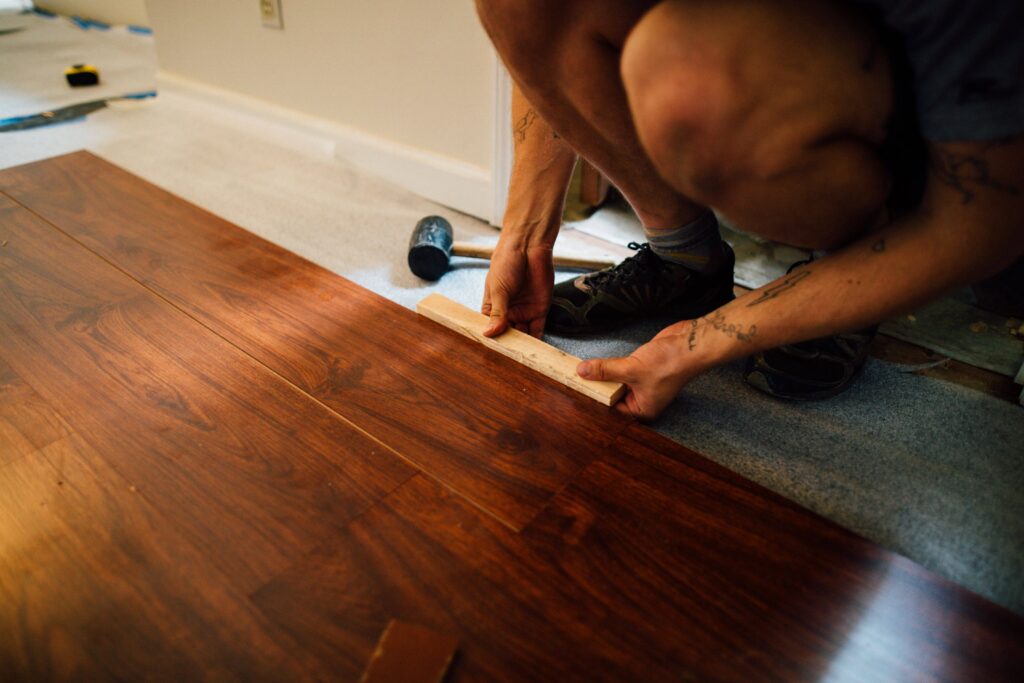
LVP vs. LVT Flooring: What is Best For Your Home?
If you’re comparing LVP and LVT, the good news is that both are smart, durable choices. There are a couple differences between the two one should consider.
LVP flooring is made to look like wood planks, while LVT flooring is made to look like stone or tile. Both are waterproof vinyl flooring options, both are built to handle busy households, and both can be great choices depending on the room and the style you want.
Both are luxury vinyl flooring options with a waterproof core and a durable wear layer, so the real decision usually comes down to the look you want and the room you’re putting it in. At J&N Surface Pros, we help homeowners across Revere, the North Shore, and Merrimack Valley pick the right flooring for the way they actually live.
LVP vs. LVT at a glance
| Feature | LVP | LVT |
|---|---|---|
| Shape | Long wood-style planks | Square or rectangular tile-style pieces |
| Best look | Hardwood | Stone, ceramic, or marble |
| Best rooms | Living rooms, bedrooms, hallways | Kitchens, bathrooms, mudrooms |
| Feel in the home | Warm, flowing, natural | Clean, modern, structured |
| Water resistance | Waterproof or highly water-resistant | Waterproof or highly water-resistant |
| DIY friendliness | Usually very easy | Also DIY-friendly, but layout can take more planning |
| Cleaning | Simple sweep, vacuum, and damp mop | Same, with a little extra attention to seams or grout-style lines |
What Is LVP?
LVP, or luxury vinyl plank, is a type of vinyl flooring made to look like hardwood in long plank form. It’s a popular choice because it gives you the wood look without the price tag, maintenance, or worry that comes with real wood in wet or busy areas.
Most LVP products are built with several layers, including a protective wear layer, a printed design layer, a waterproof core, and a backing layer that helps with stability. The better the product, the more natural it looks and the better it holds up to daily life. In many homes, LVP is a great fit when you want the warmth of wood with the practicality of waterproof vinyl flooring.
What Is LVT?
LVT, or luxury vinyl tile, is vinyl flooring made to look like stone, ceramic, or marble in tile form. It gives homeowners the look of a more traditional tiled floor without the cold feel, grout maintenance, or higher cost of natural materials.
Like LVP, LVT is made in layers and usually includes a wear layer, a printed surface, a waterproof core, and a backing layer. Some styles also include grout-line detailing or beveled edges to make the floor look even more realistic. If you want the look of a kitchen tile, bathroom tile, or entryway stone floor, LVT is often the better visual match.
The biggest differences
The biggest difference between LVP and LVT is the style they bring to a space. LVP gives you a warmer, more natural look because it mimics hardwood, while LVT gives you a cleaner, more classic tile look that works well in kitchens, baths, and mudrooms.
Style
LVP usually feels softer and more homey.
LVT usually feels more polished and architectural.
Room feel
LVP tends to make rooms feel longer because the planks run in one direction.
LVT can make a room feel more balanced and structured because of the tile pattern.
Installation look
LVP usually creates a smoother, continuous visual.
LVT may include grout-like lines or tile patterns, which can make the floor look more detailed but also more deliberate.
Product quality
The real difference in performance usually comes down to the wear layer and the core, not just the plank or tile shape.
A thicker wear layer is especially helpful in homes with pets, kids, or heavy traffic.
What they have in common
LVP and LVT have a lot more in common than most people realize. Both are durable vinyl flooring options, both handle moisture well, and both can be a smart alternative to hardwood, stone, or ceramic. They’re also easy to clean, comfortable for everyday use, and available in styles that look much more high-end than vinyl used to.
In the right product line, both can last for many years with proper installation and routine care. For a lot of homeowners, the choice really comes down to one question: do you want the floor to look like wood, or do you want it to look like tile?
Best uses by room
Kitchens and bathrooms
LVT is often the stronger visual fit in kitchens and bathrooms because it matches the feel of stone or ceramic. That said, LVP can still work well if you want a warmer look and a floor that ties into the rest of the house.
Living rooms and bedrooms
LVP is usually the better choice for living rooms and bedrooms because it creates a warmer, more comfortable look. It works especially well in open-concept homes where you want the flooring to flow from room to room.
Basements
Both LVP and LVT can work in basements as long as the moisture situation is handled properly. In homes where moisture is a concern, I always pay close attention to the waterproof core, subfloor prep, and installation method before recommending a product.
Entryways and mudrooms
LVT is a great option for entryways and mudrooms because the tile look fits those spaces naturally. If the area gets a lot of foot traffic, grit, or wet shoes, I’d also look for a stronger wear layer so the floor stays looking good longer.
Which one costs less?
In many cases, LVP is the slightly more budget-friendly option. LVT can cost a little more because the tile design, embossing, and pattern work can be more detailed, especially when the goal is to make it look like real stone or ceramic.
For most residential projects, installed pricing often falls somewhere around $4 to $10 per square foot, depending on the product, wear layer, subfloor prep, and labor involved. If you want a real number for your home, J&N Surface Pros can put together a free estimate based on your space and the style you’re after.
Frequently Asked Questions
Is LVP or LVT more waterproof?
Both are commonly sold as waterproof or highly water-resistant flooring. The product construction matters more than the shape, so the waterproof core and installation quality are what really count.
Can you install LVP and LVT in the same house?
Yes, and that’s actually a smart way to do it. A lot of homeowners use LVP in main living areas and LVT in kitchens, bathrooms, and mudrooms.
Is LVT more expensive than LVP?
Often, yes, but not by a huge amount. The difference usually comes from the design detail and the way the floor is installed.
Do LVP and LVT scratch easily?
They’re both durable, but no floor is completely scratch-proof. A thicker wear layer helps a lot, especially in homes with pets, kids, or heavy furniture.
Which adds more home value, LVP or LVT?
Neither one automatically adds more value than the other. The better choice is the one that fits the room and looks like it belongs in the home.
Can you install either one over existing tile?
Sometimes, yes, if the old tile is stable, level, and properly prepared. A site visit is the best way to know for sure.